
Tibet, often referred to as the “Roof of the World,” is a land of extremes—where the highest mountains scrape the skies, and the earth’s deepest secrets are hidden in remote valleys. The diversity of life here is equally remarkable, with species that have adapted to some of the harshest environments on Earth. In this introduction, we’ll touch on the unique blend of rugged topography and harsh weather conditions that has made Tibet a biological treasure trove. From mystical creatures to rare flora, this section sets the stage for the reader to embark on a journey through the wild, untamed wonders of the Tibetan Plateau.
High-altitude Endemic Species
Tibet’s extreme altitude and climate have given rise to some of the planet’s most resilient and unique species. Living here requires extraordinary adaptations, where survival itself is a remarkable feat. We’ll explore these fascinating creatures and plants, highlighting their evolutionary marvels and survival strategies.
Tibetan Antelope
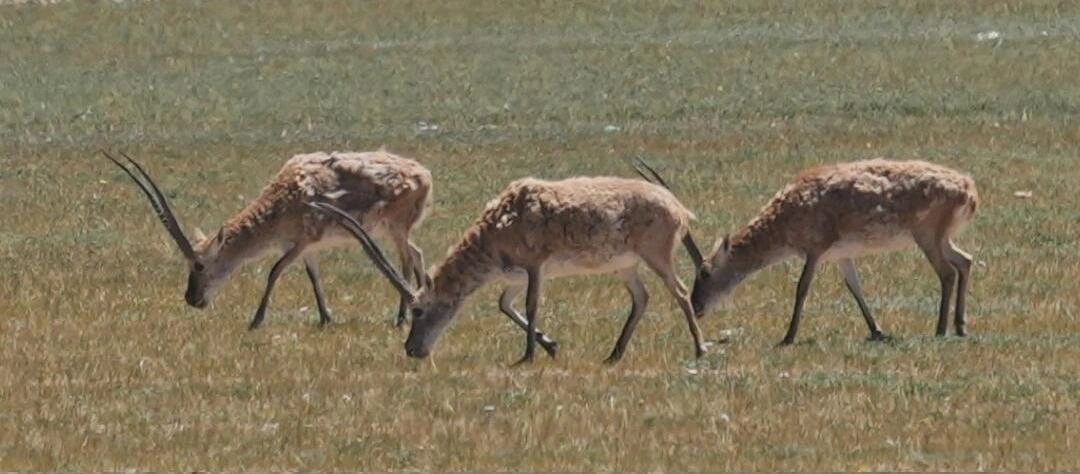
At the core of Tibet’s biodiversity is the Tibetan Antelope, also known as the Chiru. These animals are a symbol of the high-altitude wilderness, known for their slender yet muscular build, which enables them to traverse the desolate plateaus at over 4,000 meters above sea level. The Chiru’s thick, woolly coat keeps it warm in frigid temperatures, while their delicate hooves allow them to navigate rocky and uneven terrain with agility. Sadly, this majestic species is also one of the most endangered, facing threats from poaching and habitat loss. Understanding the plight of the Tibetan Antelope is a wake-up call to the fragility of the region’s unique ecosystems.
Snow Leopard
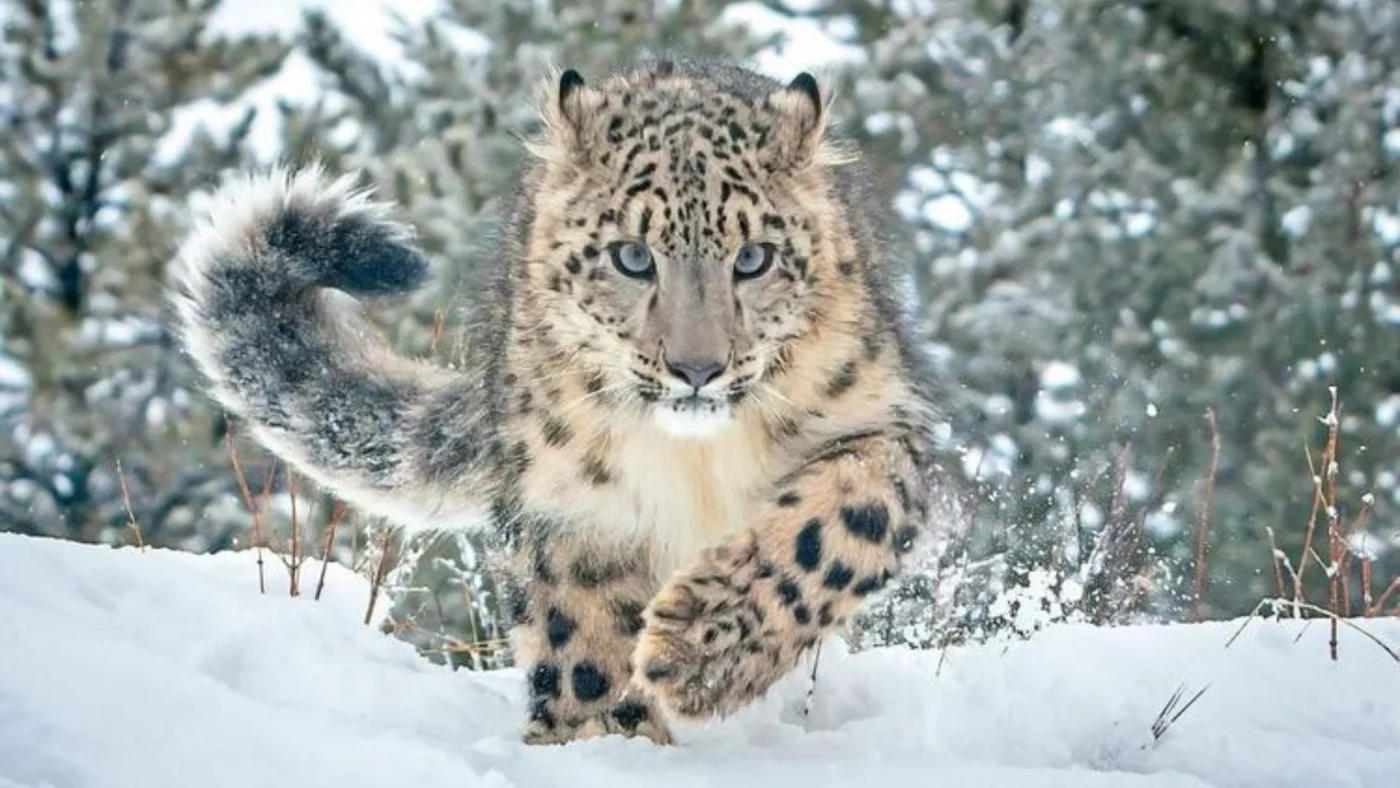
The Snow Leopard, with its piercing gaze and stunningly camouflaged coat, is the epitome of high-altitude grace. These solitary hunters are elusive, spending their days in Tibet’s snow-covered mountains, where they stalk prey like the Himalayan blue sheep. Their thick fur and long tail make them perfect for navigating the steep, snow-covered cliffs. However, the Snow Leopard’s beauty has become both a blessing and a curse, as poaching for their pelts has caused a significant decline in their population. The ongoing conservation efforts aim to protect these elusive creatures, whose presence is a powerful reminder of the delicate balance that must be preserved in Tibet’s ecosystems.
Tibetan Fox
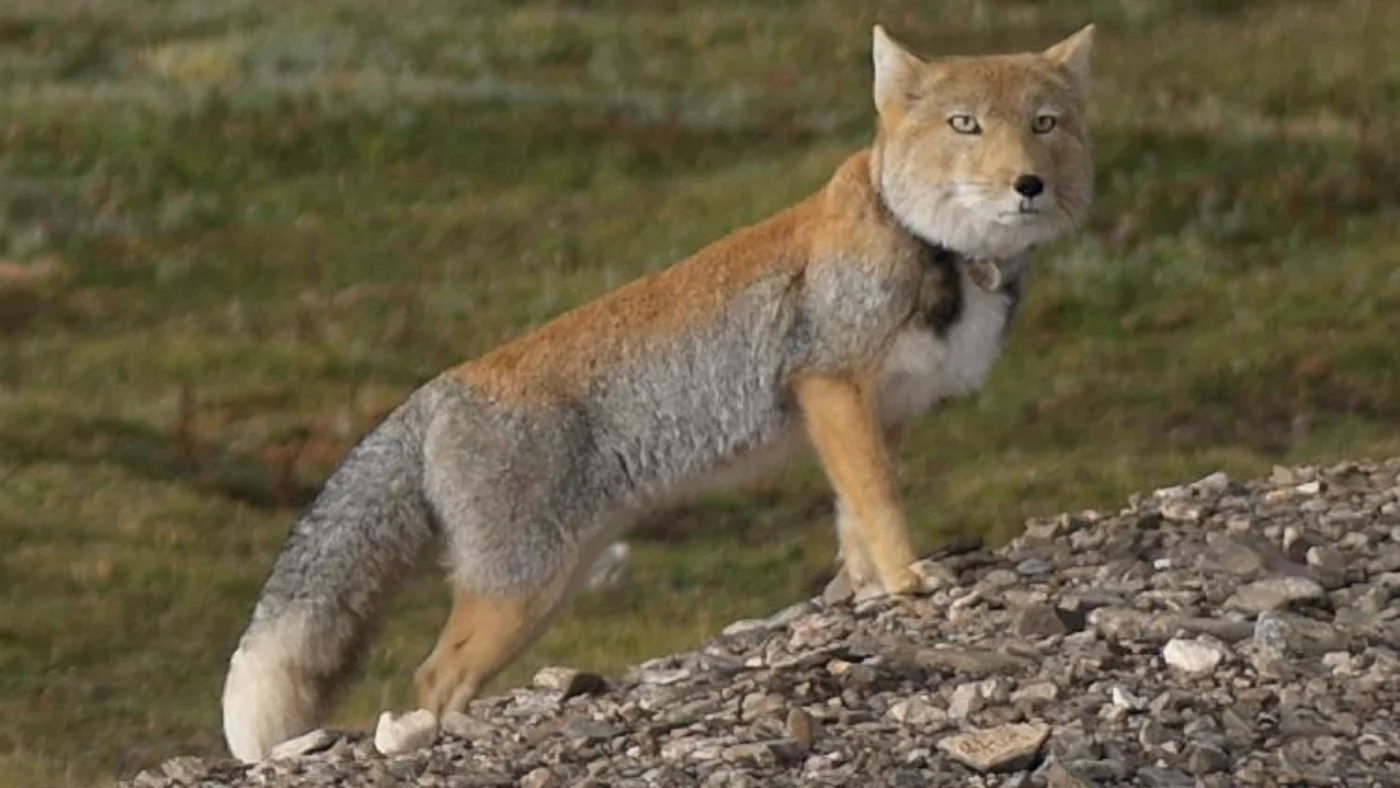
Tibetan Foxes are known for their sharp minds and adaptability. Unlike the Snow Leopard, the Tibetan Fox is more opportunistic, often scavenging and hunting small prey in the high plains. Its fur, dense and plush, provides excellent insulation against the harsh Tibetan winter. Though often overlooked in discussions about Tibet’s iconic species, the Tibetan Fox plays a crucial role in the ecological balance, helping control the populations of smaller animals and contributing to the health of the highland ecosystem. Its ability to survive and thrive in such a harsh environment is a testament to the adaptability of life on the Tibetan Plateau.
Tibetan Mastiff
The Tibetan Mastiff is as legendary as it is formidable. These dogs, bred by nomadic Tibetans, are fiercely loyal and protective. Standing as tall as wolves, with massive coats and broad chests, they are known to defend herds from predators, including wolves and snow leopards. However, these dogs are not just animals of function; they hold deep cultural significance, symbolizing strength, courage, and guardianship in Tibetan culture. The Tibetan Mastiff’s majestic stature and imposing presence make it one of the most revered animals in Tibet—and increasingly sought after in the global market, raising concerns about overbreeding and the breed’s future.

Tibetan Plant Life
Tibet’s plant life is equally as remarkable as its animal inhabitants. From the highest mountains to the secluded valleys, Tibetan plants have evolved to survive in one of the most challenging climates on Earth. This section delves into some of the most extraordinary plants found in Tibet, each with its unique characteristics and, in many cases, spiritual significance.
Snow Lotus
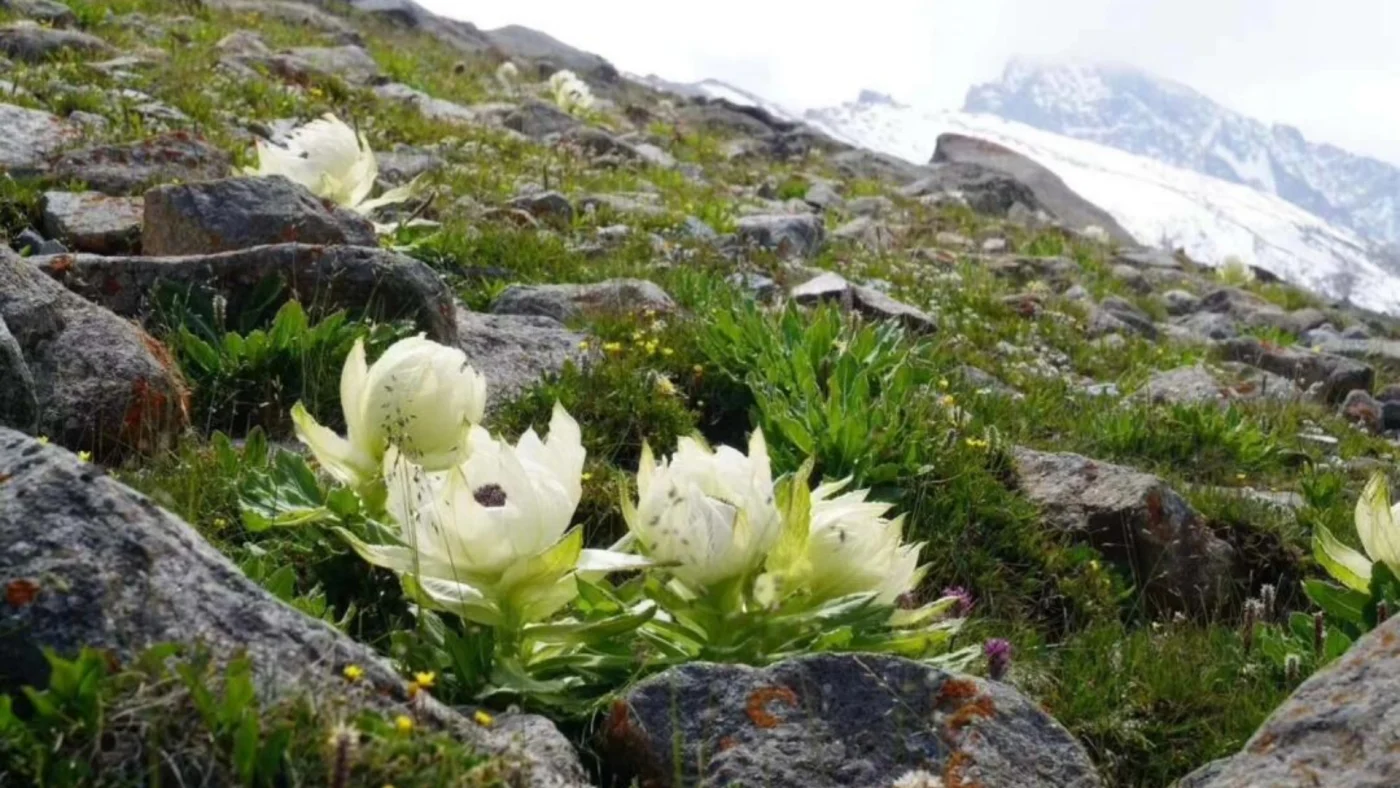
The Snow Lotus is one of the most iconic and revered plants in Tibet. Found at altitudes over 4,500 meters, this rare flower thrives in the frigid, windswept valleys. The Snow Lotus is prized not only for its beauty—its delicate petals stand out like jewels against the harsh, rocky landscapes—but also for its medicinal properties. Tibetan medicine believes the flower has healing powers, and it is used to treat a range of ailments from fatigue to inflammation. For the people of Tibet, the Snow Lotus is a symbol of resilience and spiritual purity, embodying the Tibetan people’s connection to their highland home.
Tibetan Saffron
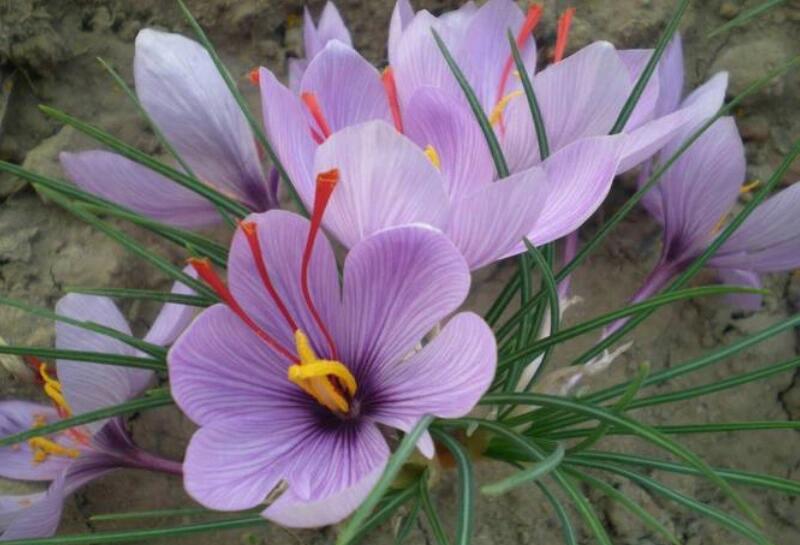
Tibetan Saffron, often dubbed “the gold of the Himalayas,” is another exceptional plant. The vivid purple flowers, which bloom at high altitudes, produce some of the most sought-after saffron in the world. This rare plant not only has a profound impact on Tibetan cuisine but also plays a crucial role in traditional medicine, with many believing it possesses mood-enhancing and anti-inflammatory properties. Beyond its practical uses, Tibetan Saffron is symbolic of the region’s resourcefulness, its ability to cultivate richness even in the harshest environments.
Tibetan Bell Flower
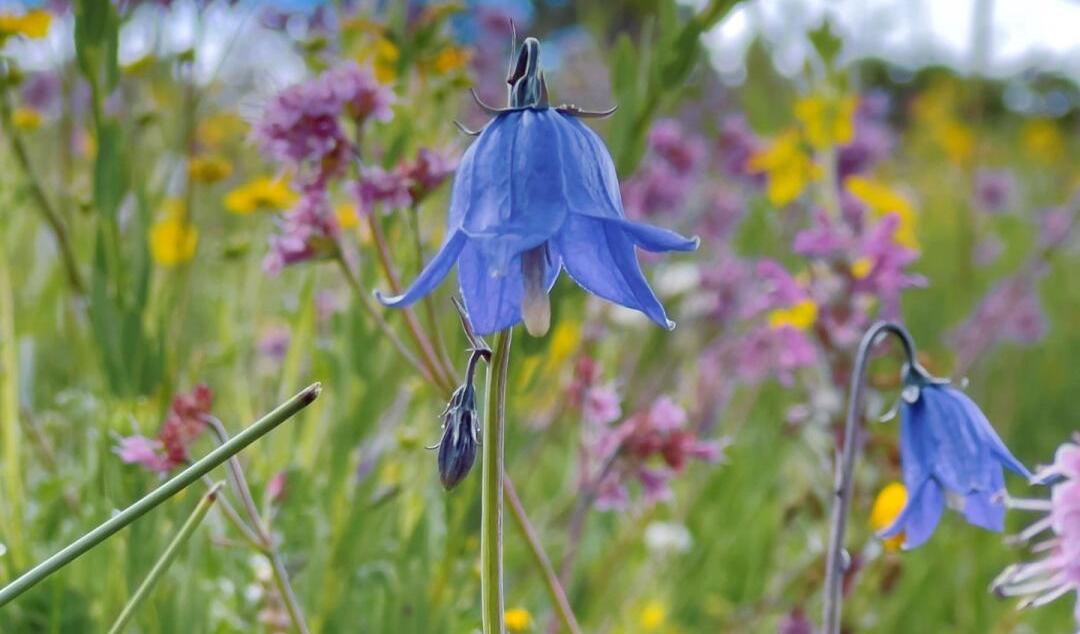
Tibetan Bell flower is another stunning floral species that calls the Tibetan Plateau home. Its bell-shaped blooms come in a range of colors, from delicate blues to vibrant purples, and it grows in the high-altitude meadows of Tibet. Apart from its aesthetic beauty, the Bell flower also has medicinal applications, particularly in treating respiratory and digestive issues. Its resilience in such an extreme environment demonstrates the wonders of Tibetan flora, where beauty and functionality coexist, providing sustenance and healing to the people of Tibet.
Ecological Systems and Conservation Efforts
While Tibet is a haven for extraordinary species, it is also incredibly vulnerable. The region’s ecosystems are fragile, and the rapid pace of climate change threatens the very existence of many species. This section focuses on the environmental challenges Tibet faces and the efforts being made to safeguard its biodiversity.
Climate Change and Its Impact
Tibet is feeling the effects of climate change more acutely than many other regions. Glaciers are melting at alarming rates, which not only threatens water supplies for millions of people but also disrupts the delicate balance of Tibet’s ecosystems. Warmer temperatures are forcing species to migrate to higher altitudes, where space is limited. These shifts in habitat are endangering species that have lived in Tibet for millennia, disrupting everything from food chains to mating cycles. The consequences of climate change in Tibet are not just a local issue—they have a ripple effect across the entire Himalayan region and beyond.
Conservation Projects and Successes
In response to these challenges, Tibet has become the focal point of several ambitious conservation initiatives. The Tibetan Antelope Sanctuary, the Himalayan Nature Reserve, and other conservation projects are working to protect both the habitat and the species that call Tibet home. These efforts include anti-poaching patrols, habitat restoration, and community-based conservation programs. The successes of these initiatives, though hard-won, show that there is hope for Tibet’s biodiversity, provided the global community comes together to support these vital efforts.
Conclusion
Tibet is a land of remarkable biodiversity, with species and ecosystems that are as fragile as they are unique. From the elusive Snow Leopard to the sacred Snow Lotus, the organisms that inhabit Tibet demonstrate life’s extraordinary adaptability to extreme conditions. However, this biodiversity is under threat, and the need for conservation has never been more urgent. Protecting Tibet’s natural heritage is not just a local concern—it is a global responsibility, one that we must all take seriously if we are to preserve this vital part of our planet’s ecosystem.