Tibetan wellness traditions refer to the medical and health-related practices native to the Tibetan plateau and Himalayan region. This guide provides an overview of the cultural and historical context of these practices, with emphasis on Sowa Rigpa (the Tibetan science of healing), dietary traditions, herbal knowledge, and mindfulness practices — approached as cultural and ethnographic information rather than medical guidance.
The Cultural Context of Tibetan Wellness Traditions
Tibetan wellness traditions developed over centuries in the context of the Tibetan plateau’s distinctive geography, climate, and Buddhist cultural environment. These practices reflect the accumulated knowledge of Himalayan communities in managing health through local resources, dietary adjustment, and physical practices adapted to high-altitude living. Understanding these traditions as cultural systems — rather than as interchangeable with modern medical approaches — provides the most accurate context for appreciation.
Sowa Rigpa: The Tibetan Science of Healing
Sowa Rigpa is the traditional medical system of Tibet and the Himalayan region. It is recognized by the World Health Organization as a traditional medical system and is studied academically as a component of global medical history. Sowa Rigpa frameworks are based on the conceptual relationship between five elements — Earth, Water, Fire, Air, and Space — and their correspondence to bodily constitution types and health states. The tradition includes:
- Herbal Medicine: Formulated from plant, mineral, and mineral-compound ingredients sourced from the Himalayan region, prepared according to traditional pharmaceutical methods developed within the tradition.
- Dietary Guidelines: Traditional recommendations for food choices, preparation methods, and eating practices adapted to the high-altitude environment and individual constitution types.
- Physical Therapies: Methods such as therapeutic massage, cupping techniques, and heat therapy, used to address discomfort and support mobility within the tradition’s conceptual framework.
Mindfulness and Contemplative Practices
Mindfulness and contemplative practices in Tibetan cultural contexts include forms of seated meditation, mantra recitation, and analytical reflection. These practices are rooted in Buddhist textual and institutional traditions and are practiced in monastery settings, community contexts, and personal settings. They are documented in academic and ethnographic literature as cultural practices with historical significance in Himalayan communities. Tibetan Buddhist monastic education traditionally includes training in these contemplative methods.
Sound and Physical Practices
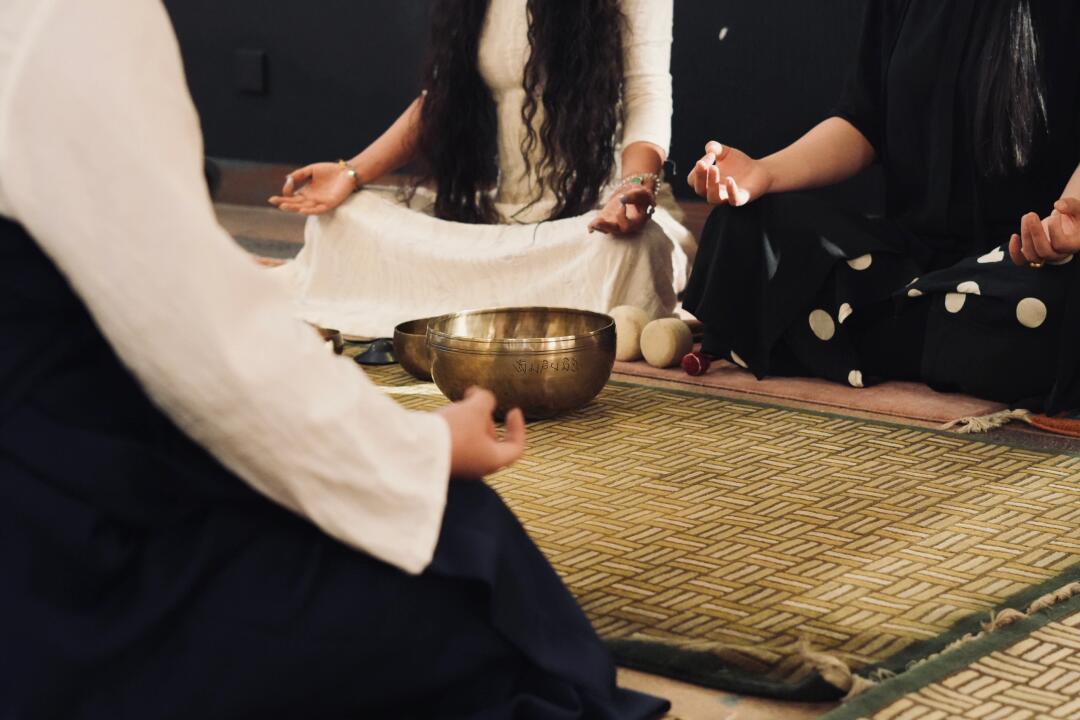
Physical and sound-based practices in Tibetan culture include Himalayan singing bowls and ritual instruments used in ceremonial contexts. Singing bowls — hand-hammered bronze vessels — are used in certain traditional settings to accompany ritual and contemplative practice. The instruments are valued for their acoustic properties and the tactile experience of playing them. These practices are part of the material culture of Himalayan Buddhist traditions.
Tibetan Herbal Products and Teas
Herbal teas and plant-based preparations are part of traditional Tibetan dietary and wellness culture. Herbal knowledge in Himalayan communities draws on the local pharmacopeia of the Tibetan plateau, with preparations adapted to the available botanical resources. These products are discussed here as cultural and ethnographic artifacts with documented traditional uses, not as medical interventions.
Contemporary Context and Scholarship
Tibetan wellness traditions are studied in academic settings as examples of indigenous medical systems with long historical records. Anthropological and ethnographic literature describes these practices in their cultural context. Contemporary interest in Tibetan wellness methods reflects broader academic and public curiosity about traditional knowledge systems, indigenous medical history, and the cultural heritage of Himalayan communities.