The Hands Behind Every Bead
In workshops at 4,000 meters, the same hands that thread malas also light butter lamps each morning before work begins.
In workshops at 4,000 meters, the same hands that thread malas also light butter lamps each morning before work begins.
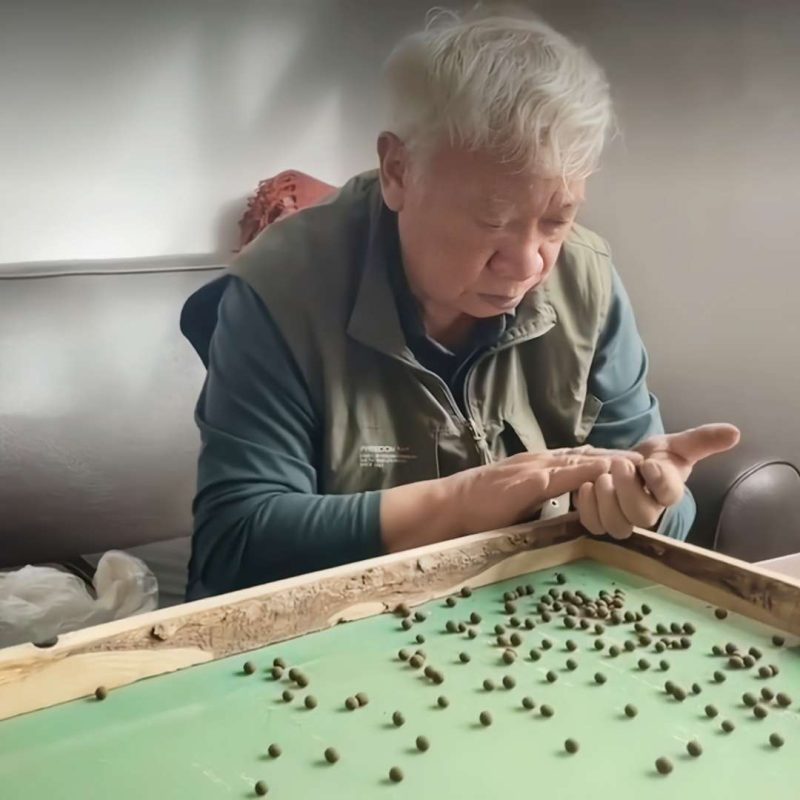
There is no assembly line. No mold. No machine that spits out identical beads by the thousand. Every yak bone bead in our shop was shaped by a person sitting at a wooden bench, holding the piece against a grinding wheel that is older than they are.
The craft passes from hand to hand — parent to child, uncle to nephew, elder to apprentice. There is no manual. The knowledge lives in the fingers.
Yak bone from nomadic herders who bring it down from the plateau each season. Agate from local markets, each bead selected by eye and touch — not graded by a machine. Yak-hide cord twisted by women in the same village where the beads are threaded.
The supply chain is short. The herder knows the carver. The carver knows the stringer. The stringer knows the merchant. Nothing passes through more than three pairs of hands before it reaches you.


Before the grinding wheel starts, the butter lamps are lit. Every morning. The artisans we work with are lay practitioners — they chant while they carve. The mantra and the bead occupy the same breath. It is impossible to separate them, and we do not try.
This is not branding. It is simply what the workshop sounds like. A low murmur of syllables. The rhythmic click of beads against each other. The occasional grinding of stone against stone. Nothing else.
We bypass the commercial wholesalers. Every piece comes directly from native hands on the Tibetan plateau. This means longer lead times. Smaller batches. We cannot scale the way a factory can.
But it also means that when you hold a Sacred Tibet mala, the hands that made it were paid directly — not through four layers of distributors. The purchase supports the keeper of the tradition, not the middleman.

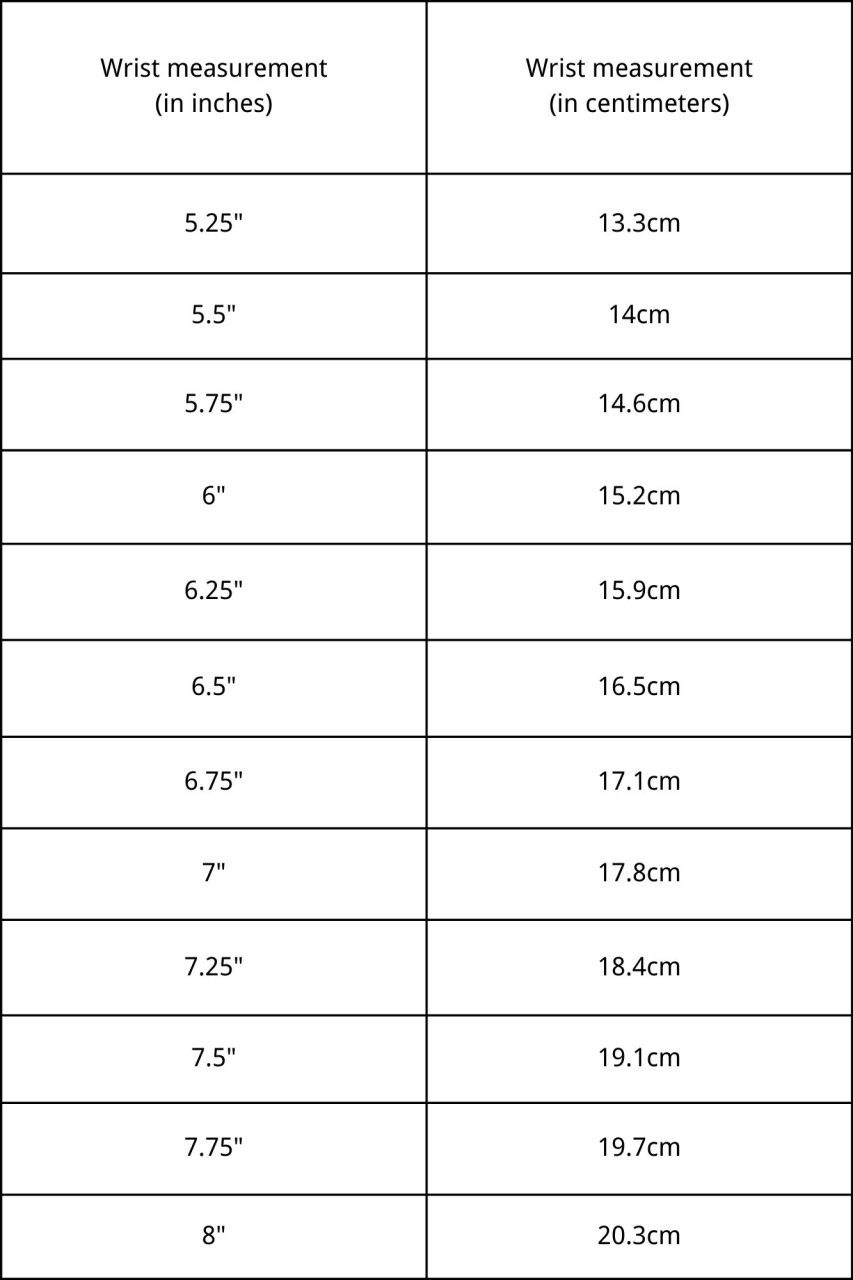
Choosing the ideal bracelet size can seem challenging, but we’re here to assist you. Follow this succinct guide to discover your ideal fit. For a more comprehensive guide, refer to our full size guide.