In a world where stress hums louder than ever, imagine possessing an ancient tool that transforms chaos into calm with a single, resonant stroke. Singing bowls—centuries-old instruments forged in the mystic valleys of the Himalayas—are no longer relics of monastic solitude. Today, they’re modern allies for urban warriors seeking solace, yogis chasing deeper practice, and anyone yearning to mute life’s cacophony.
But here’s the catch: Owning a singing bowl is just the beginning. Mastering it? That’s where the magic unfolds. Whether you’re a curious beginner or a seasoned sound healer, this guide will demystify how to use a singing bowl, blending ancestral wisdom with techniques even the busiest souls can embrace. Ready to turn bronze and crystal into your personal symphony? Let’s begin.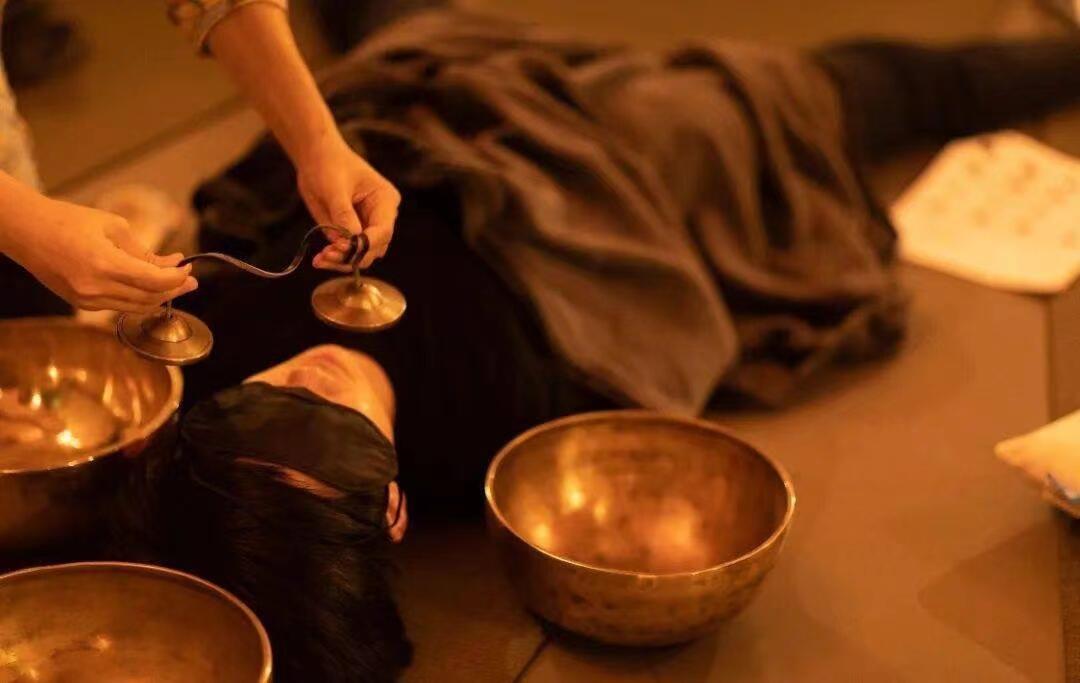
What Is a Singing Bowl?
Born in the spiritual epicenters of Tibet, Nepal, and India, singing bowls are more than metal vessels—they’re portals to inner stillness. Historically used in Buddhist rituals and meditation, these bowls harness the physics of sound waves to recalibrate energy. When played, they emit frequencies that oscillate between 110 Hz and 660 Hz, ranges scientifically linked to reduced anxiety and enhanced focus.
Types of Singing Bowls
- Tibetan Singing Bowls: Crafted from a seven-metal alloy (including iron, copper, and silver), prized for deep, grounding tones.
- Crystal Singing Bowls: Made from crushed quartz, offering ethereal, high-pitched vibrations ideal for chakra work.
- Antique vs. Modern: Antique bowls whisper history; modern ones sing with consistency.
Benefits of Using a Singing Bowl
Why bother learning how to use a singing bowl? Beyond their mesmerizing sound, they’re Swiss Army knives for wellness:
- Stress Slayer: A 2016 NIH study found sound therapy reduces cortisol levels by 25% in just 10 minutes.
- Sleep Sorcerer: Their vibrations slow brainwaves, nudging you into delta-state rest.
- Chakra Chiropractor: Different frequencies target energy blockages—try a 528 Hz crystal bowl for heart healing.
- Meditation Multiplier: Struggling to focus? The bowl’s hum becomes your anchor, drowning distractions.
Step-by-Step Guide: How to Play a Singing Bowl
1. Choosing Your Mallet: The Wand of Sound
Your mallet isn’t just a stick—it’s a sculptor of resonance.
- Leather-Wrapped Mallets: Birth warm, lingering tones; perfect for introspective sessions.
- Wooden Mallets: Deliver crisp, bright notes; ideal for group sound baths.
- Pro Tip: Test mallets like dating—swipe left on any that feel “meh.” Your bowl deserves chemistry.
2. Posture & Placement: Setting the Stage
Sit cross-legged or kneel, back straight but not rigid. Place the bowl on your palm (for small bowls) or a cushion (larger ones). Avoid tables—they dampen vibrations like soggy cereal.
3. The Strike: Awakening the Bowl
Hold the mallet like a paintbrush—light, yet intentional. Strike the bowl’s edge at a 45-degree angle. Too timid? A dull clink. Too harsh? Jarring noise. Aim for a confident tap that makes the metal wake up.
4. The Circle of Sound: Sustaining the Hum
Now, the real dance begins. Press the mallet’s base against the bowl’s outer rim and circle clockwise. Start slow, as if tracing a lotus petal. Feel resistance? Good—that’s friction birthing sound. Speed up gradually until the bowl sings on its own.
Fun Fact: Himalayan elders say circling the bowl mimics the Earth’s rotation—each revolution a mini cosmic ritual.
5. Advanced Techniques: From Novice to Virtuoso
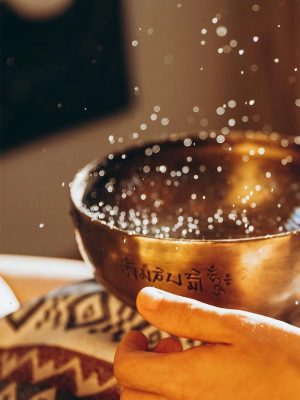
- Water Infusion: Add water to the bowl and watch sound ripple into liquid art.
- Multi-Mallet Mastery: Use two mallets—one to circle, another to strike—for harmonic layers.
- Chant Integration: Pair OM chants with the bowl’s drone; feel vibrations sync with your voice.
Common Mistakes to Avoid
- Over-Striking: More hits ≠ better sound. Let the bowl breathe between strikes.
- Ignoring Angles: A straight-up strike sounds flat. 45 degrees = acoustic gold.
- Skipping Cleansing: Smudge your bowl with sage monthly. Negative energy muddies tones.
Integrating Singing Bowls into Daily Rituals
- Morning Momentum: Replace your alarm with three bowl strikes—gentler than any buzzer.
- Work Breaks: Five minutes of circling resets a frazzled mind better than caffeine.
- Bedtime Lullaby: Let low-frequency hums tuck your nervous system into sleep mode.
FAQs
Q: Can singing bowls damage hearing?
A: Only if pressed against the ear. At a distance, their decibels match a whisper—safe, yet profound.
Q: How to cleanse a singing bowl?
A: Moonlight baths, sage smudging, or a wipe with saltwater (dry thoroughly!).
Q: Why won’t my bowl sing?
A: Patience, grasshopper. Some bowls are shy. Warm it with your hands, then try again.
Conclusion
Mastering how to use a singing bowl isn’t about perfection—it’s about dialogue. Each hum, each wavering note, is a conversation between you and ancient wisdom. Whether you’re chasing stress relief, spiritual depth, or just a moment’s peace, these bowls are bridges to realms beyond noise.
At Sacred Tibet, we craft singing bowls that aren’t just instruments but heirlooms. Hand-forged by Tibetan artisans, each carries the soul of the Himalayas.
Ready to begin your sound journey? Explore our curated collection and find the bowl that sings your song.