In the remote, rugged landscapes of Tibet, where the air is thin and the mountains tower with ancient wisdom, an age-old tradition of healing has thrived for centuries. Tibetan medicine, often seen as a mystical blend of science and spirituality, draws deeply from the earth’s natural resources, focusing not just on the body, but on the harmony of mind, body, and spirit.

A Natural Approach to Healing
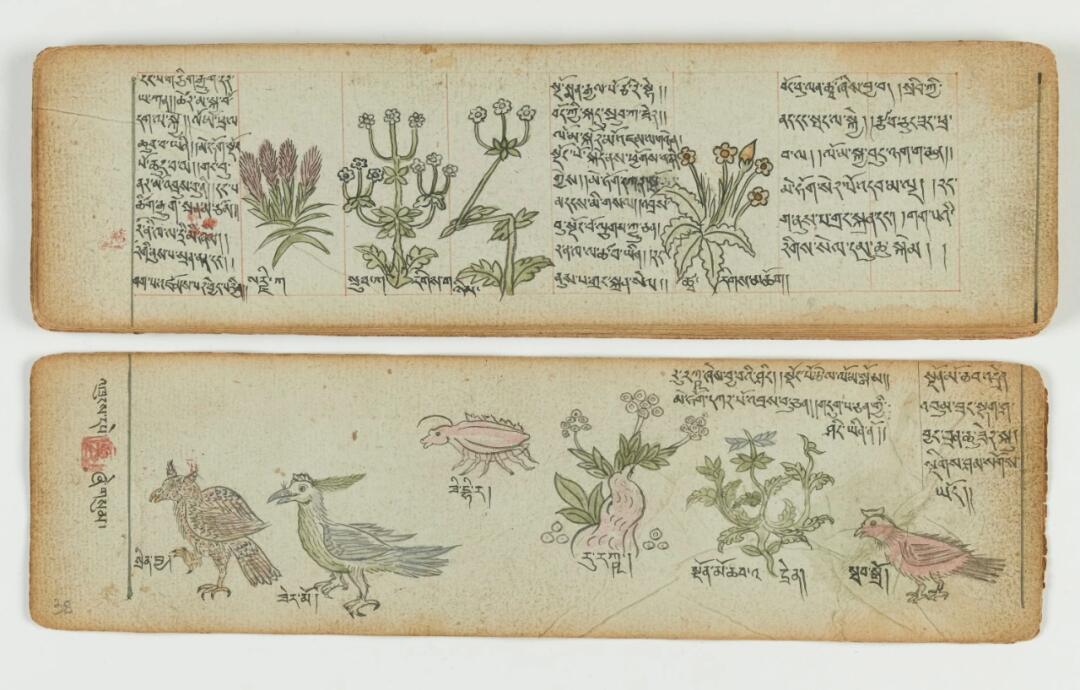
Unlike the fast-paced, symptom-focused solutions often found in modern medicine, Tibetan healing practices take a holistic approach, aiming to balance the energies within the body. At the core of this ancient tradition is the use of natural herbs, roots, and plants, carefully sourced from the unique Tibetan environment. These ingredients, like Saffron, Cordyceps, and Artemisia, are believed to work in synergy with the body’s vital forces to promote wellness.
Tibetan herbal medicine isn’t just about treating illnesses—it’s about prevention and maintaining a harmonious balance within oneself. The practice is deeply rooted in the philosophy of the five elements: earth, water, fire, air, and space. Each of these elements governs certain aspects of our health, and when out of balance, they can cause both physical and emotional distress. Tibetan medicine uses carefully prepared herbal formulations to restore equilibrium, addressing both the symptoms and the root causes of ailments.
Tibetan Massage: A Touch of Tranquility
One of the most revered methods of healing in Tibetan tradition is the Tibetan massage, or Ku Nye. This therapeutic massage technique combines pressure, stretching, and rubbing with medicinal oils and balms. It’s a treatment that not only alleviates physical pain but also calms the mind. The rhythmic, fluid movements aim to harmonize the flow of energy throughout the body, releasing blockages and promoting deep relaxation. In many ways, it’s a physical manifestation of the Tibetan understanding of the balance between the body and the environment.
Unlike typical Western massage techniques, which often focus solely on muscle relaxation, Ku Nye works on a much deeper level, incorporating elements of Tibetan energy healing. The pressure applied to specific points on the body is intended to stimulate energy flow along the body’s meridian channels, similar to the concepts found in acupuncture or acupressure.
Meditation and the Mind-Body Connection
In Tibetan culture, healing extends beyond the physical realm. Meditation, a practice deeply ingrained in Tibetan Buddhist philosophy, plays an essential role in maintaining overall well-being. Meditation in Tibet is not just about stillness; it’s about cultivating a deep connection between the mind and body, achieving a state of mindfulness that transcends ordinary thought.
The act of sitting in silence, focusing on the breath, or repeating mantras is believed to calm the nervous system, reduce stress, and enhance emotional clarity. This practice of Shamatha meditation can be a powerful tool for balancing the Vata, Pitta, and Kapha energies—the three fundamental forces in Tibetan medicine. As the mind becomes still, the body follows suit, entering a state of harmony where healing can occur naturally.
Tibetan Buddhists believe that through meditation, one can cleanse the mind of distractions, promoting not only physical health but mental and emotional clarity. When combined with the practice of Tibetan massage and herbal treatments, meditation offers a profound sense of balance, enabling individuals to reach their full potential for wellness.
The Tibetan Medicine Philosophy in the Modern World
While Tibetan medicine has existed for millennia, its teachings are just beginning to gain recognition in the West. As modern medicine continues to address acute conditions, Tibetan healing methods offer a complementary approach, focusing on long-term health and well-being. In an era where stress, anxiety, and chronic illnesses are becoming more prevalent, integrating Tibetan medicine practices such as herbal remedies, Ku Nye massage, and meditation may offer an invaluable path to holistic healing.
In fact, many health-conscious individuals around the world are increasingly turning to these traditional practices, not only for their physical benefits but also for their ability to restore a sense of mental peace and clarity. For those looking for a deeper connection to their own health, Tibetan medicine offers a profound journey—one that encourages not just the treatment of illness, but the nurturing of vitality, balance, and inner peace.
Embrace the Wisdom of Tibet
Whether you’re seeking relief from physical ailments, emotional distress, or simply a more balanced way of life, Tibetan healing traditions offer a unique and powerful perspective on wellness. It’s not just about fixing what’s broken, but nurturing the mind and body to live in harmony with one another. In a world where we often prioritize fast solutions, Tibetan medicine reminds us to slow down, reconnect, and find peace in the stillness of our own being.
So, next time you feel the weight of the world pressing down on your shoulders, consider exploring the ancient traditions of Tibetan healing. With its roots in nature and its focus on balance, it might just be the path to peace you’ve been searching for.