Tibetan Buddha statues are handcrafted objects rooted in Himalayan Buddhist art traditions. This guide covers the cultural background of these statues, common forms and their meanings in Buddhist iconographic art, materials and craftsmanship, and practical guidance on selection, placement, and care.
The Cultural Context of Tibetan Buddha Statues
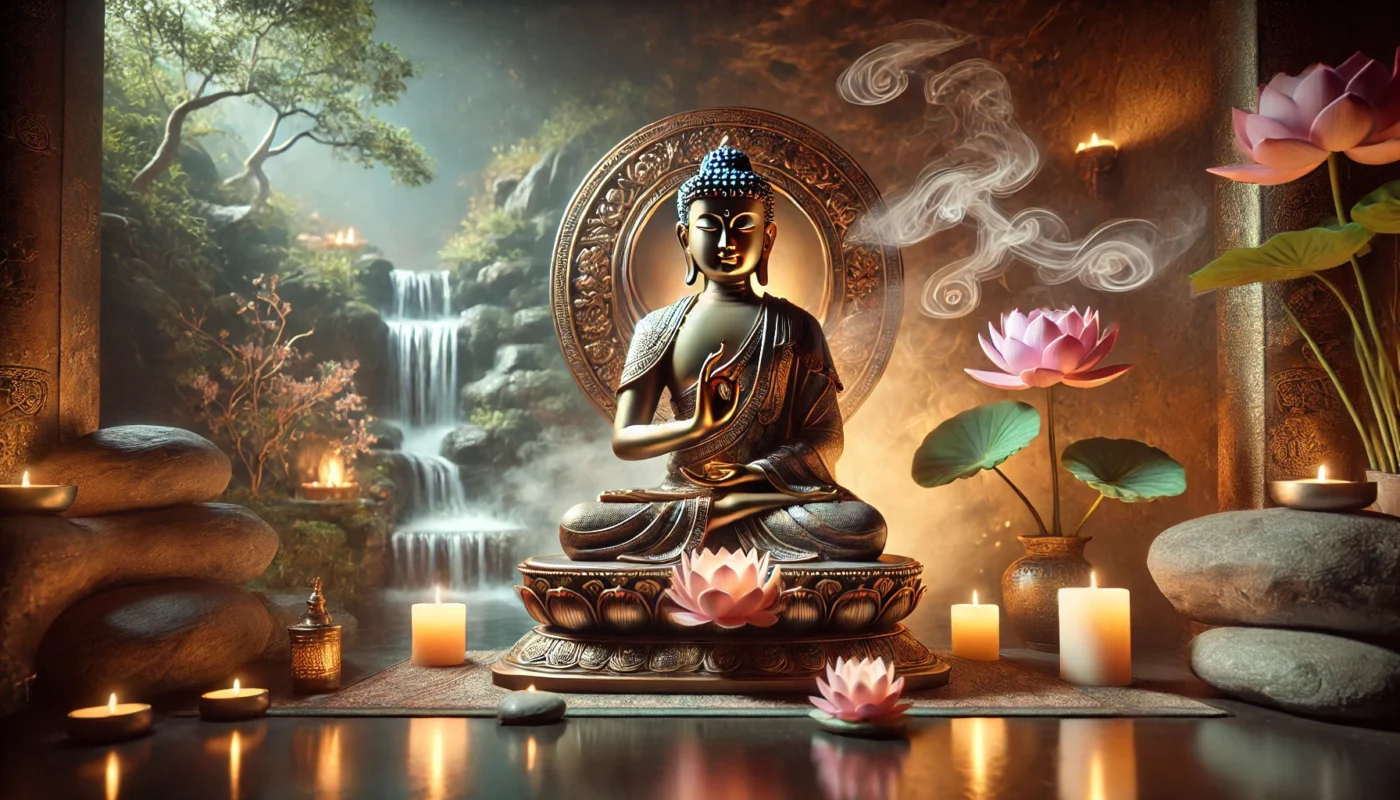
Tibetan Buddha statues are products of a long-standing Himalayan art tradition. They are created following established iconographic conventions that determine posture, hand gestures, proportions, and symbolic attributes. These conventions developed within Tibetan Buddhist monastic art and have been transmitted through craft communities across the Himalayan region. Statues serve as expressions of Buddhist art rather than as objects of worship themselves, and their meanings are derived from the iconographic tradition they belong to.
Common Postures and Their Iconographic Meanings
Tibetan Buddhist iconography uses specific postures and hand gestures — mudras — to identify different figures and states depicted in Buddhist art. Some commonly encountered forms:
- Seated (Dhyana Mudra): Both hands resting in the lap, palms upward. Associated with meditative concentration in Buddhist textual sources.
- Teaching (Dharmachakra Mudra): Index finger and thumb touching to form a circle, symbolizing the turning of the Buddhist teaching wheel.
- Earth-Touching (Bhumisparsha Mudra): Right hand extended downward over the right knee, referencing a narrative moment from the Buddha’s enlightenment accounts.
- Standing: Upright posture, hands often in a gesture of offering or teaching.
- Reclining: Depicted in scenes representing the Buddha’s final earthly moments in Buddhist narrative art.
Materials and Craftsmanship
Traditional Tibetan Buddha statues are made from materials including bronze, brass, copper, wood, and gilded metal surfaces. The choice of material affects the finished appearance, weight, and durability of the piece. Handcrafted statues show the marks of individual work — slight irregularities in proportion, tool marks, and surface texture consistent with the method of production. Mass-produced replicas lack these characteristics and typically show uniform surfacing, sharp edges, and a standardized appearance.
Identifying Authentic Statues
When evaluating Tibetan Buddha statues, consider:
- Craftsmanship: Evidence of handwork — slight asymmetry, tool marks, and surface variation consistent with hand production.
- Material: Bronze and brass pieces show characteristic color and weight. Gilded pieces may show wear revealing base metal in older specimens.
- Provenance: Established dealers in Himalayan art or antiquities can typically provide origin documentation.
- Iconographic accuracy: Traditional pieces adhere to conventions regarding posture, mudra, and proportions. Significant deviations suggest modern interpretation rather than traditional workshop output.
Placement and Display
Common practices in Himalayan cultural traditions generally recommend placing the statue on an elevated, stable surface rather than on the floor. Facing direction varies by specific tradition and is a matter of convention in Buddhist art display. The surrounding environment — flowers, incense, or other objects — is a matter of personal preference. The primary practical consideration is placing the statue in a location where it will remain stable and secure.
Care and Maintenance
Tibetan Buddha statues in metal or wood require minimal maintenance. Regular dusting with a soft dry cloth is sufficient for day-to-day care. For metal pieces in humid environments, occasional inspection for surface oxidation or moisture-related corrosion is advisable. Avoid chemical cleaners, which can damage patina on metal surfaces or lacquer on wooden pieces. Prolonged exposure to direct sunlight should also be avoided to preserve materials and surface treatments over time.